

 Call us:



The Invisible Risk: How Human Factors and Digital Twin Tech are Reshaping Offshore Safety
Dear Reader, Greeting from PISTA,India. PISTA BLOG#45 is live now!!!!! At PISTA, Pondicherry International Safety Training Academy, our commitment to advancing offshore safety standards is unwavering. This PISTA blog outlines the most powerful way to counter HOF is through competence and confidence. PISTA encounters in closing the gap between technological capacity and true operational safety.
Introduction
The offshore energy sector is constantly innovating, yet a significant portion of major incidents still traces back to a single source:
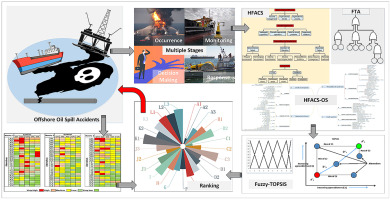
Human Factors (HOF).
Human Factors (HOF). This is the "invisible risk" the industry must mitigate. Modern safety doesn't just audit equipment; it fundamentally redesigns the interaction between people and complex technology. The new baseline for operational excellence is integrating HOF management with cutting-edge tools like the Digital Twin.

The Human Factor Challenge and the PISTA Solution
Incidents are rarely just "human error." They stem from underlying HOF issues: fatigue, poor decision-making under pressure, and communication breakdowns. Regulatory bodies now demand proactive HOF management, focusing on supportive frameworks and cognitive load reduction. The most powerful way to counter HOF is through competence and confidence. This is the core motive of the Pondicherry International Safety Training Academy (PISTA).
PISTA's Motive: Training as Risk Mitigation
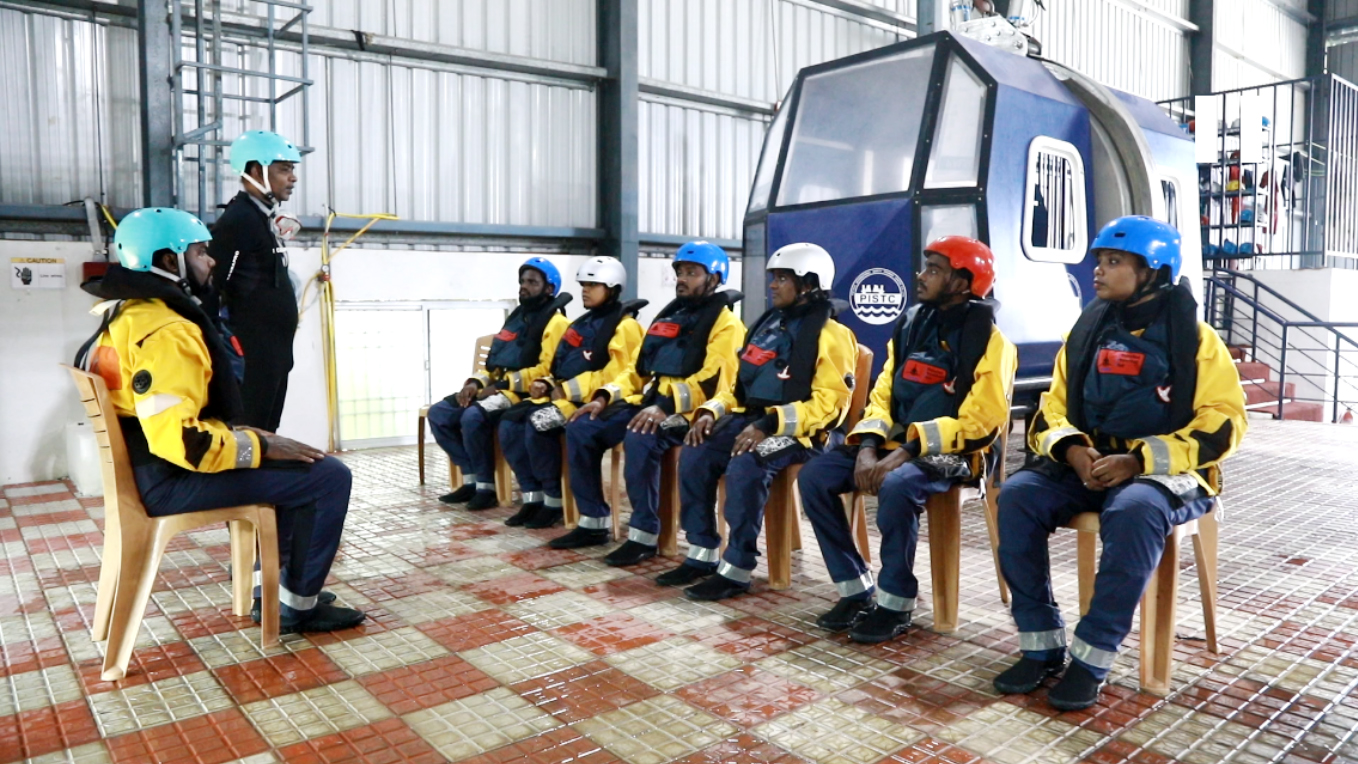
PISTA specializes in delivering high-fidelity, OPITO-approved training like the Emergency Breathing System (EBS) and Helicopter Underwater Escape Training (HUET). By mastering high-stress, critical procedures in a controlled environment, personnel build deep-seated, instinctive competence. This proficiency directly addresses HOF by: 1. Reducing Cognitive Load: Instinctive skill execution frees up mental capacity during an emergency. 2. Mitigating Anxiety: Confidence gained in training reduces the decision-making errors often caused by panic or stress. 3. Improving Teamwork: Realistic drills reinforce Crew Resource Management (CRM) principles, ensuring clear communication under pressure.
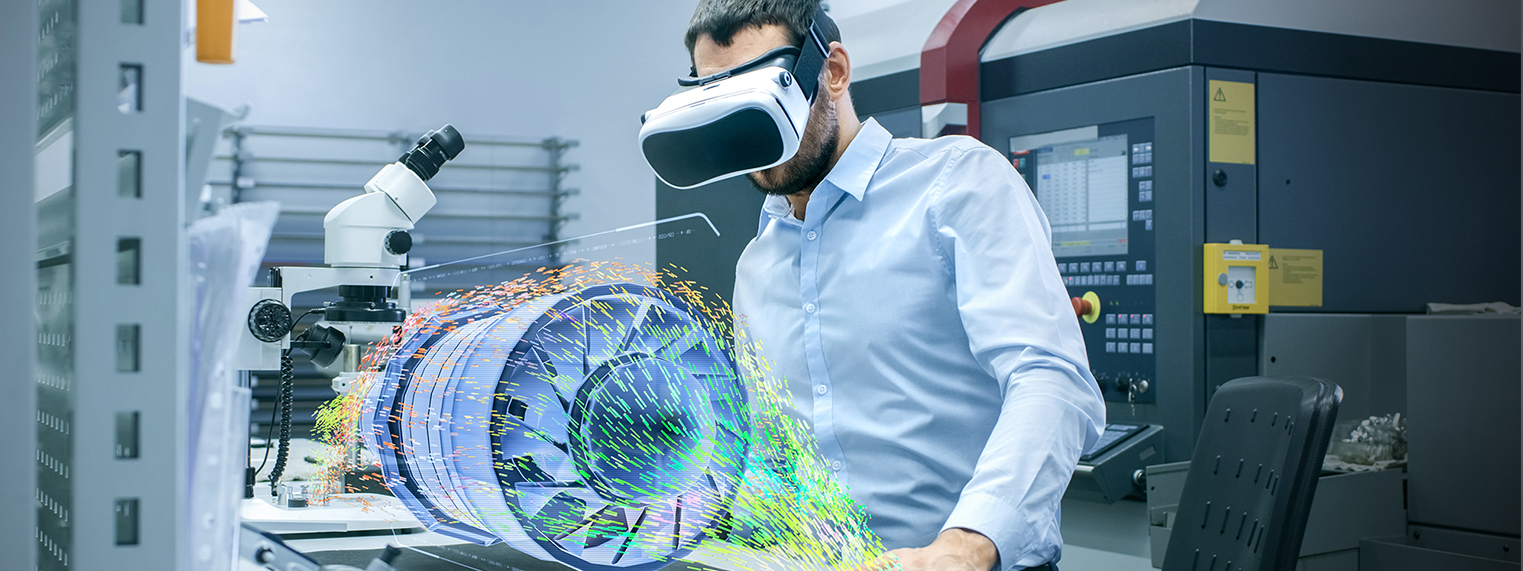
Digital Twin: Technology Augmenting Human Performance
To complement human training, technology is providing a crucial layer of predictive safety. The Digital Twin—a virtual, real-time replica of an offshore asset—is key to managing human-machine interfaces. • Predictive Risk Modeling: The twin uses sensor data to predict equipment failure or structural stress before it occurs. By removing the element of surprise, it reduces the pressure on human operators. • Enhanced Simulation: Personnel can practice emergency protocols and complex operations in highly realistic virtual environments, refining their skills and procedure adherence without consequence. • Remote Response: In a crisis, the twin offers first responders and onshore teams a virtual view, allowing them to precisely guide teams and validate evacuation routes, overcoming the HOF risk of misjudgment under chaotic conditions.
Call to Action: The New Baseline
The persistent rate of "High Potential" near-misses confirms that technology must be matched by human preparedness. The combination of advanced digital tools and rigorous, scenario-based safety training is non-negotiable. Is your safety management system keeping pace? Elevate your team’s resilience by ensuring they have the OPITO-approved competence provided by PISTA—closing the gap between technological capacity and true operational safety.